

Update from the Research Fellowship in Boston
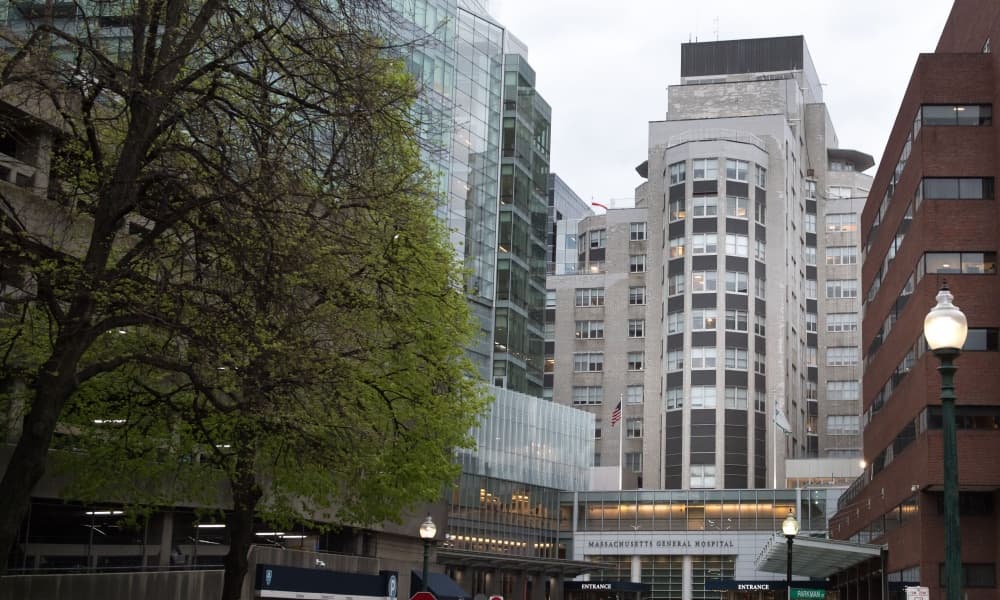
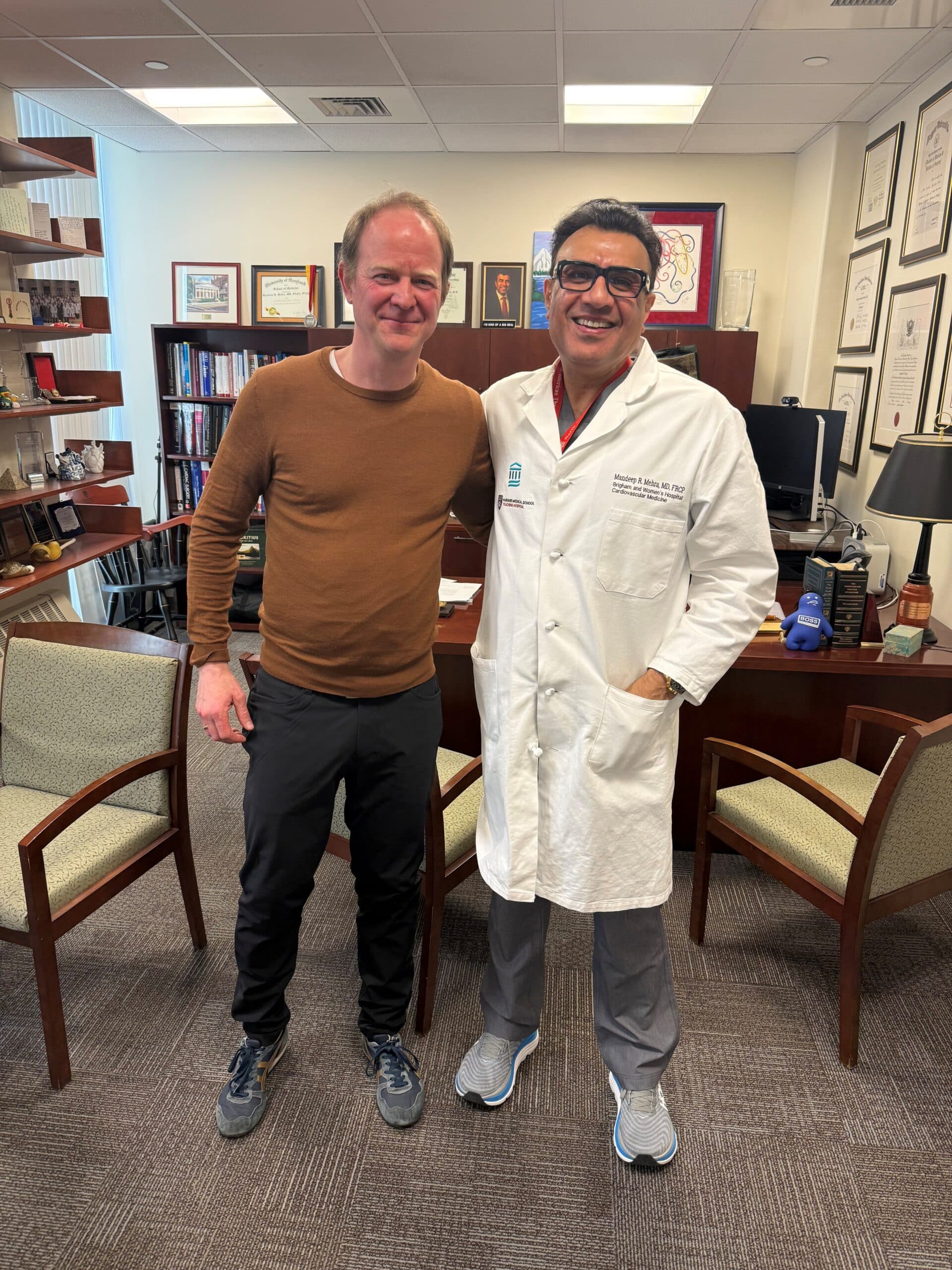
Formorethantwomonths,Prof.Dr.FelixSchönrathhasbeenundertakingaresearchfellowshipasaClinicalandScientificScholarattheCenterforAdvancedHeartDiseaseatBrighamandWomen’sHospital(BWH),fundedandorganizedbytheGermanHeartCenterFoundation.HistimeinBostonhasbeenshapedbyintensiveclinicalworkandclosescientificcollaborationunderthesupervisionofProfessorMandeepR.Mehra.
Klinische Clinical Insights and Training
As part of his clinical work at BWH, Prof. Schönrath has gained valuable insights into the treatment of patients with advanced heart failure in the United States. Particular attention is being paid to procedures that are currently only available to a limited extent in Germany. These include heart transplantation following donation after circulatory death (DCD) as well as advanced blood tests based on cell-free DNA, which can detect possible rejection of a transplanted heart at an early stage and without the need for tissue biopsies.
Another major focus is the treatment of patients with mechanical circulatory support systems (MCS), which are used in cases of severe heart failure. These experiences provide new perspectives on current therapeutic strategies. In addition, comparing the organizational structures of Mass General Brigham with European centers offers valuable insights into the future development of healthcare systems.
Scientific Activities
During the first half of the fellowship, Prof. Schönrath contributed to three scientific projects:
- Medication and mechanical heart support systems: Investigating how specific cardiovascular medications influence the tolerability of artificial heart pumps and may help reduce complications such as bleeding or stroke.
- Heart and kidney transplantation: Analyzing long-term outcomes in patients requiring combined or repeat transplantation, with a particular focus on kidney function.
- The future of cardiovascular medicine: Developing perspectives on how heart transplantation and mechanical heart support may evolve over the coming decades through new technologies and artificial intelligence.
Research Project: TAPER-HT
A central project of the fellowship is the TAPER-HT study, which investigates whether and how corticosteroid therapy after heart transplantation can be reduced earlier and in a more targeted manner. While corticosteroids are essential for preventing rejection, long-term use can lead to side effects such as diabetes, hypertension, and infections.
The aim of the study is to make treatment both safer and more tolerable for patients. Modern assessment methods are being used to precisely evaluate not only physical health outcomes but also patients’ quality of life. The study is conducted in collaboration with centers in the United States and Europe, as healthcare systems and clinical frameworks differ significantly between regions. This international approach is intended to contribute to the development of more standardized and patient-friendly treatment strategies in the long term.
Outlook
The second half of the fellowship will focus on completing the ongoing scientific projects and preparing the ethics applications for the TAPER-HT study.

